DiplomacyRecalibration
“We are sorry”: the supply lines reopen
Seven months after Salala, a carefully worded statement from Hillary Clinton allowed Pakistan to reopen NATO’s ground routes into Afghanistan without new transit fees.
2 min read
Background
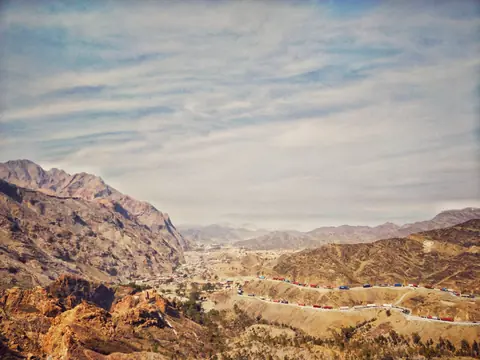
After the Salala strikes of November 2011, Pakistan closed the routes from Karachi to the Torkham and Chaman border crossings, through which a large share of NATO's non-lethal supplies for Afghanistan had travelled. In April 2012 a joint session of Pakistan's parliament unanimously approved new guidelines for relations with the United States and NATO, calling among other things for an unconditional apology for Salala and an end to drone strikes, while leaving the decision on the supply routes to the government3,4. Negotiations over an apology and over the fees Pakistan might charge for each container dragged on for months.
What happened
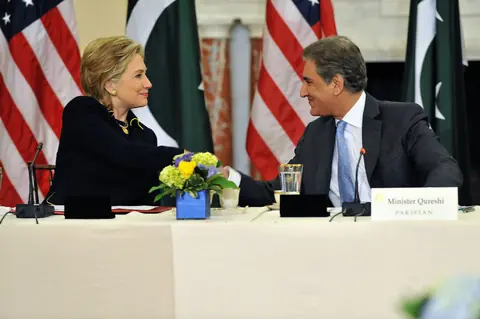
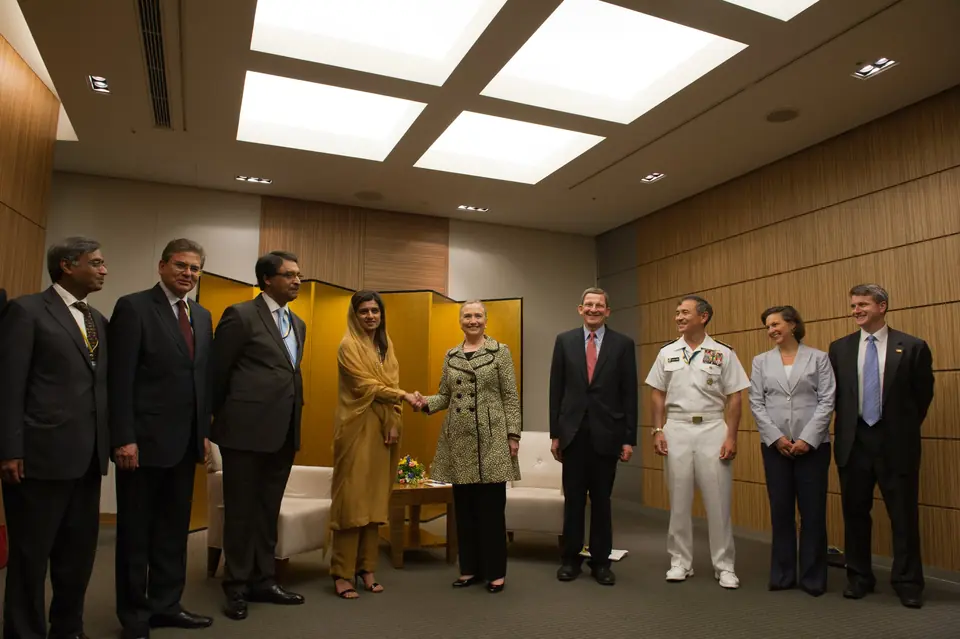
On 3 July 2012 Clinton issued a statement after speaking with Khar. She said that the two had acknowledged the mistakes that resulted in the loss of Pakistani military lives, offered condolences to the families of the soldiers, and said that the United States was sorry for the losses suffered by the Pakistani military1,2. In return Khar informed her that the ground lines of communication would reopen; Pakistan would continue not to charge any transit fee, and, consistent with existing practice, no lethal equipment would transit Pakistan except for equipping the Afghan security forces1,2. The first trucks crossed at Chaman within days of the announcement, after a closure of about seven months5.
Why it mattered
The wording was the product of long negotiation: it went further than Washington had been willing to go before but stopped short of the formal, unconditional apology Pakistan's parliament had demanded. Each side could present it as a reasonable compromise. The reopening restored a route the United States needed for the drawdown of its forces from Afghanistan, and it ended the most acute phase of the 2011–12 crisis.
Legacy
The episode ended the deepest rupture of the post-9/11 period but not the mistrust behind it. The relationship that emerged was narrower and more transactional, with lower aid levels and recurrent disputes over militant sanctuaries. The supply routes remained important as US forces withdrew equipment from Afghanistan in 2013–14.
Sources
- Clinton announces NATO supply lines through Pakistan are open again, Atlantic Council (NATOSource, reproducing the State Department statement), 3 July 2012 · Official
- After apology, Pakistan agrees to reopen military supply line into Afghanistan, NPR, 3 July 2012 · Press
- Pakistani parliament approves proposal on U.S. relations, Foreign Policy, 13 April 2012 · Press
- Pakistan parliament sets up new rules for ties with US (AP), Washington Times, 12 April 2012 · Press
- First NATO trucks cross Pakistan border after 7-month closure, NBC News, 5 July 2012 · Press
Next in The Long ArcNawaz Sharif returns to the White House