DiplomacyThe Afghan decade
Zia and the US ambassador die in an air crash
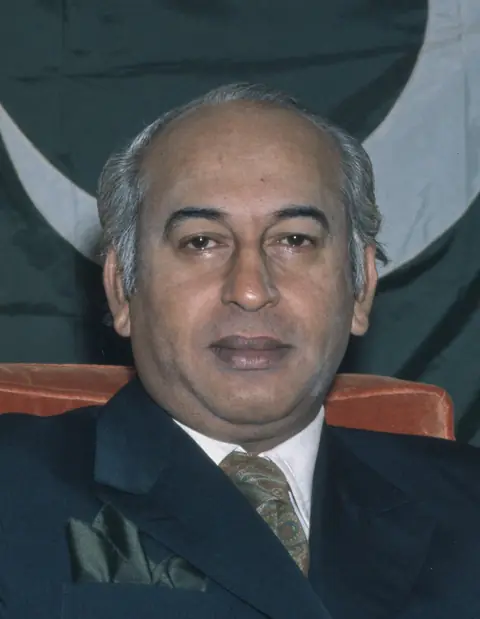
The crash near Bahawalpur killed Pakistan’s president, the American ambassador, the head of the US military aid mission and senior Pakistani officers, and ended an era in the relationship.
1 min read
What happened
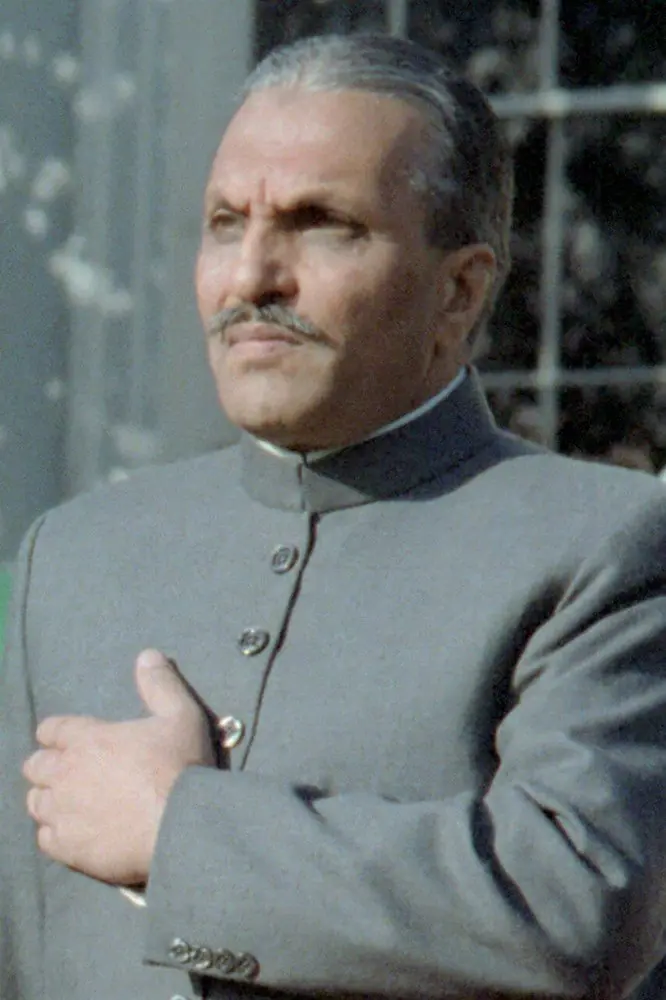
On 17 August 1988 President Zia-ul-Haq flew to Bahawalpur to watch a demonstration of a US-made tank for the Pakistan Army. On the return flight his Pakistan Air Force C-130 transport crashed minutes after take-off, killing everyone on board1,2. Among the dead were the US ambassador to Pakistan, Arnold Raphel, and Brigadier General Herbert M. Wassom, chief of the US military aid mission in Pakistan, as well as senior Pakistani army officers1,3.
Zia, born in 1924, had ruled Pakistan since the coup of July 1977 and served as president from 19783. Raphel, a career diplomat with long experience of South Asia, had been ambassador for about a year; colleagues later recalled him as one of the State Department’s leading experts on Pakistan2.
The question of cause
Investigations did not produce an agreed explanation. A Pakistani board of inquiry pointed towards sabotage without identifying a culprit, while other analyses raised the possibility of a mechanical failure. Theories have implicated, among others, the Soviet and Afghan intelligence services, domestic opponents of Zia and foreign governments; none has been proven4,5. Because an American ambassador died, the crash also raised questions in the United States about the thoroughness of the US investigation.
Why it mattered
Zia’s death removed the leader with whom Washington had built the Afghan partnership. Under the constitution, the chairman of the Senate, Ghulam Ishaq Khan, became acting president, and elections held later in 1988 brought Benazir Bhutto’s Pakistan People’s Party to power6. For the United States the loss of Raphel and Wassom was among the heaviest blows to its diplomatic and military presence in Pakistan.
Legacy
In Pakistan, Zia remains a polarising figure: credited by supporters with resisting Soviet expansion and presiding over economic growth, and criticised for weakening democratic institutions and promoting laws that encouraged religious intolerance3. His death closed the chapter of Cold War partnership in which he had been Washington’s principal interlocutor.
Sources
- Bodies of Zia and U.S. ambassador recovered, Deseret News (Associated Press), 18 August 1988 · Press
- The Death of Ambassador Arne Raphel, Association for Diplomatic Studies and Training (ADST), July 2015 · Primary document
- Mohammad Zia-ul-Haq, Encyclopaedia Britannica · Reference
- August 17, 1988: Zia killed in plane crash, Gulf News · Press
- Did the KGB kill Zia?, The Express Tribune · Press
- Benazir Bhutto (Britannica 100 Women Trailblazers), Encyclopaedia Britannica · Reference
Next in The Long ArcThe last Soviet soldier leaves Afghanistan